Modulor
Brand System
A visual design framework that uses programmable grids, abstract glyphs, and structured motion to express brand essence. Rooted in modular design principles, it translates systems thinking into a dynamic visual language—scalable across digital and physical touchpoints.
Role
:
Creative Director
Year
:
2025
Context
0%
Problem
0%
Process
0%
Outcome
0%
Modulor
Brand System
A visual design framework that uses programmable grids, abstract glyphs, and structured motion to express brand essence. Rooted in modular design principles, it translates systems thinking into a dynamic visual language—scalable across digital and physical touchpoints.
Label
:
Text
Problem
Complex, technology-driven ideas are often reduced to familiar visual clichés. The challenge was to create a brand language that could communicate systems, computation, and emerging forms of intelligence without relying on conventional tech imagery. The identity also needed to remain coherent across different formats—from static compositions to motion and digital interfaces—while retaining enough flexibility to evolve with the brand.
Problem
Complex, technology-driven ideas are often reduced to familiar visual clichés. The challenge was to create a brand language that could communicate systems, computation, and emerging forms of intelligence without relying on conventional tech imagery. The identity also needed to remain coherent across different formats—from static compositions to motion and digital interfaces—while retaining enough flexibility to evolve with the brand.
Process
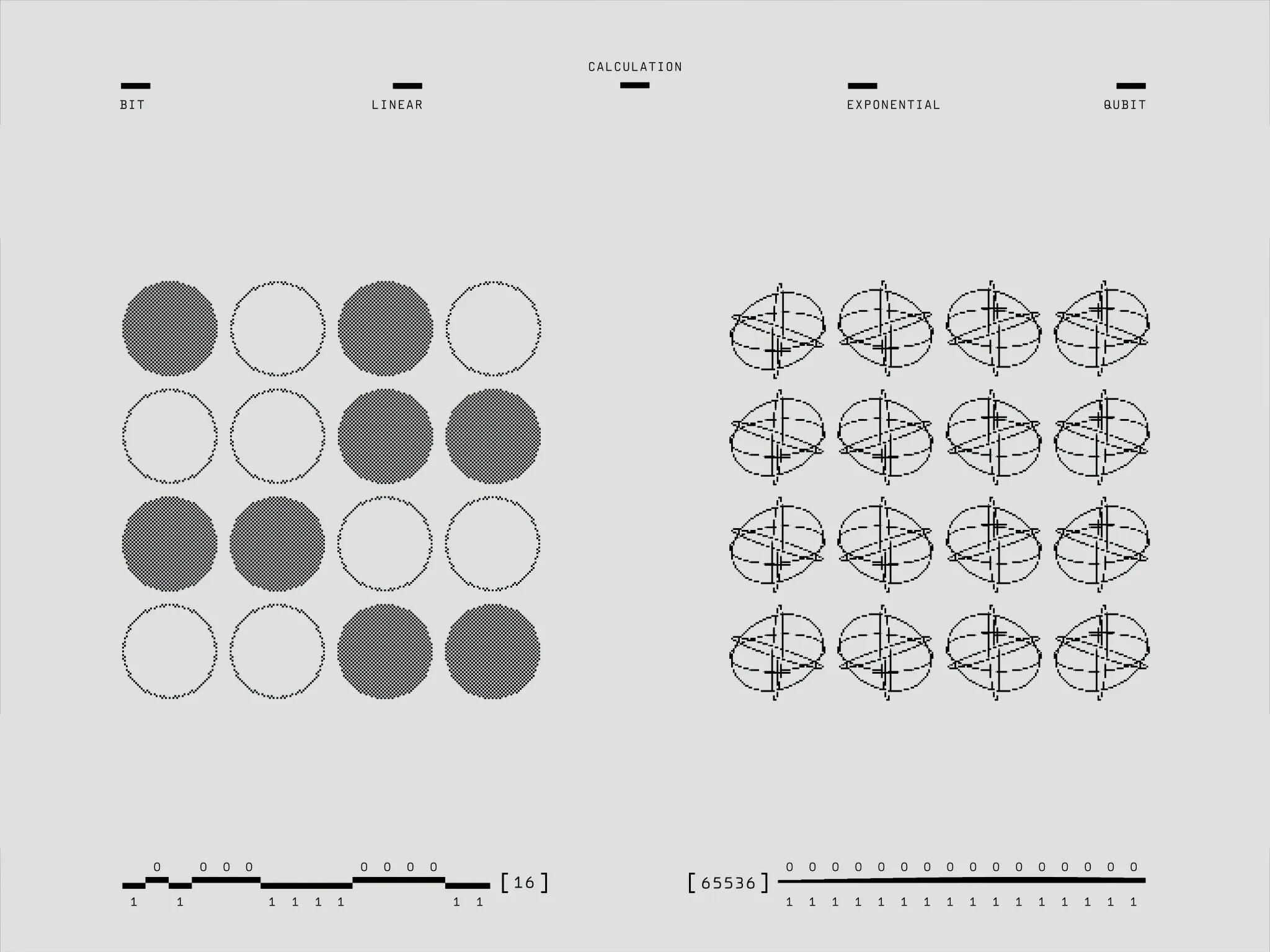
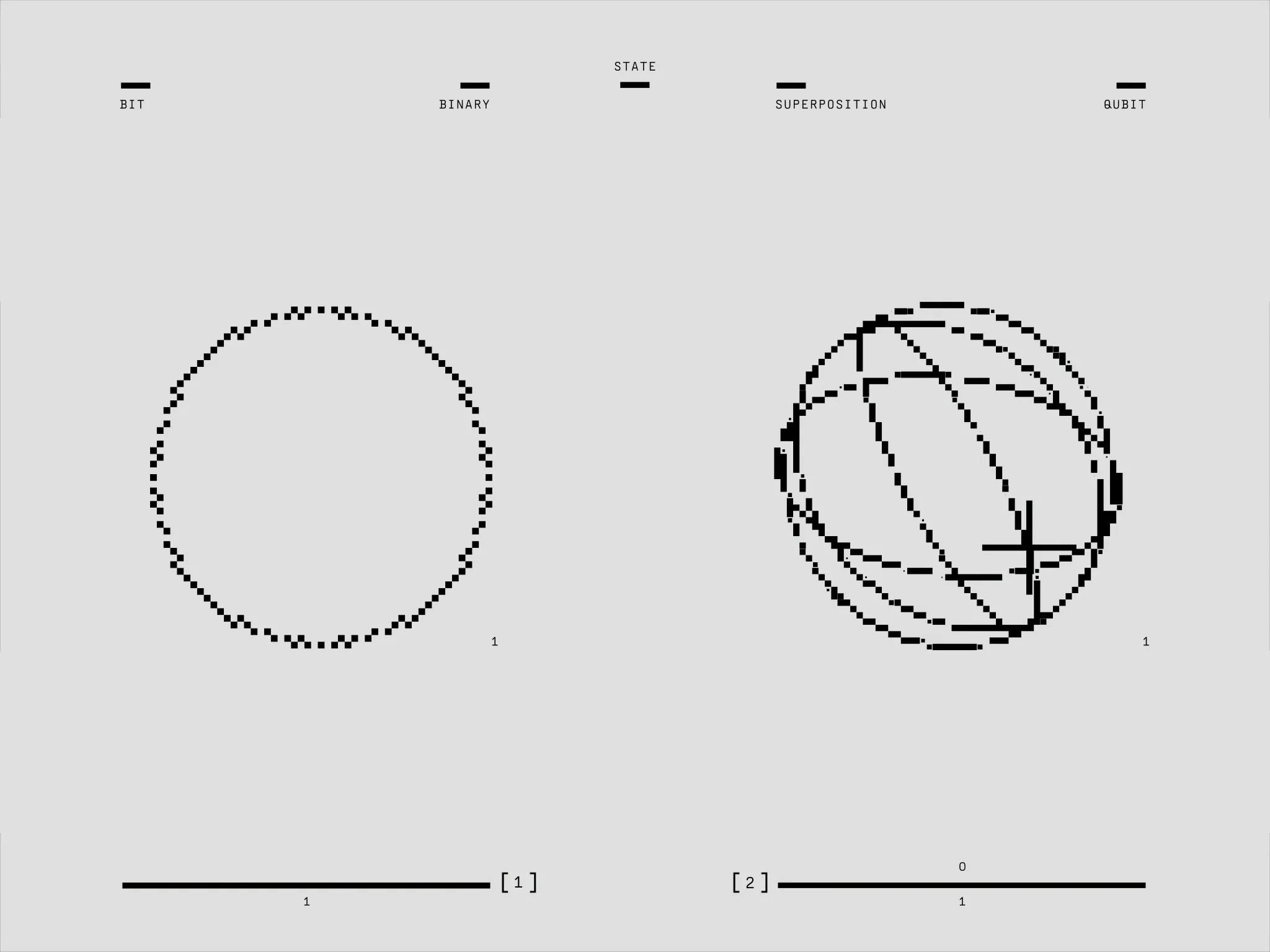
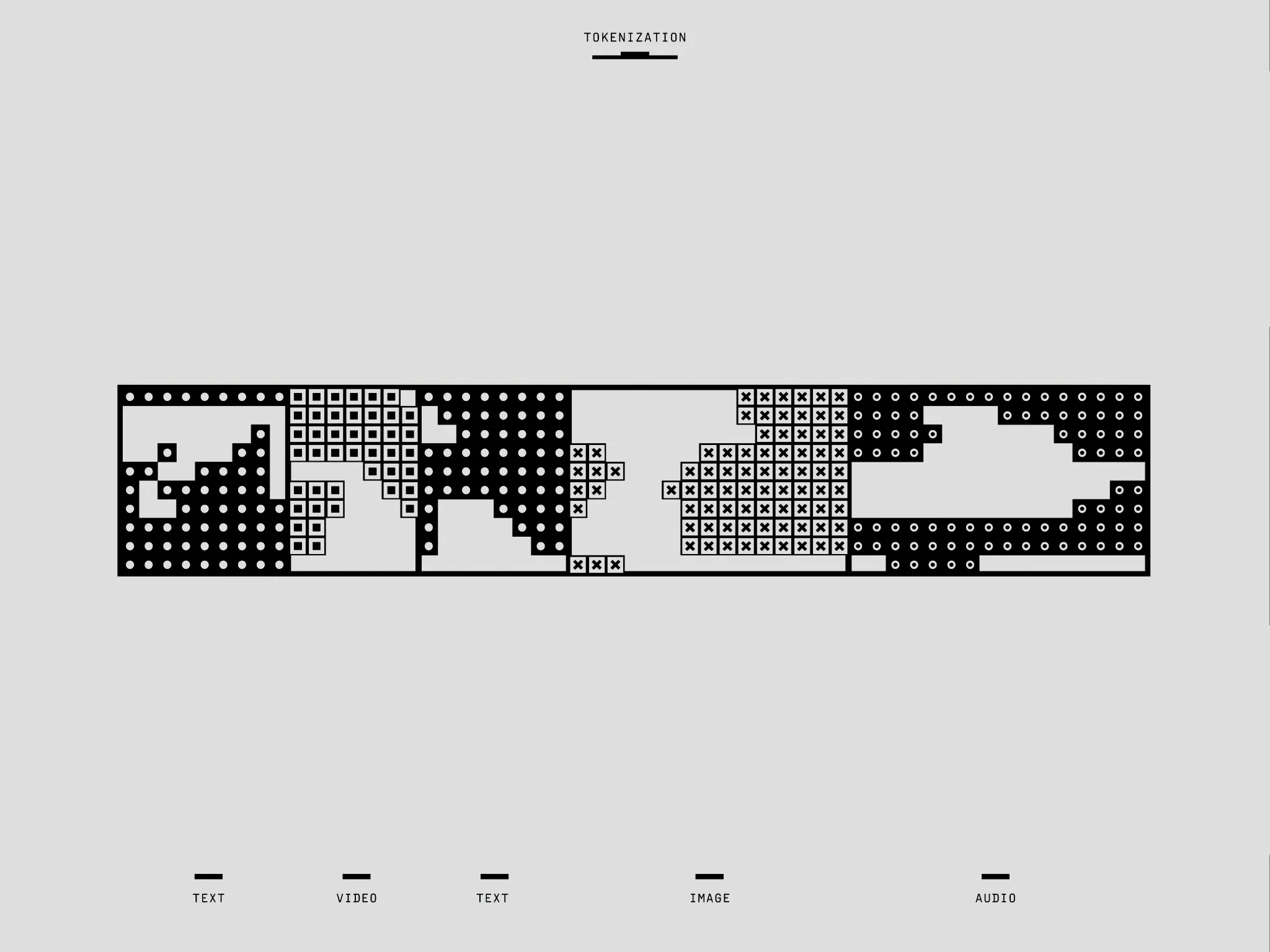
The system was built from programmable grids, binary states, and a controlled library of geometric marks. Different types of content—text, image, video, and audio—could be translated into visual tokens and reorganized through a shared set of rules. Experiments with scale, repetition, density, and movement transformed these simple elements into abstract glyphs. The process created a balance between machine logic and visual expression, allowing every composition to feel distinct while remaining part of the same system.
Process
The system was built from programmable grids, binary states, and a controlled library of geometric marks. Different types of content—text, image, video, and audio—could be translated into visual tokens and reorganized through a shared set of rules. Experiments with scale, repetition, density, and movement transformed these simple elements into abstract glyphs. The process created a balance between machine logic and visual expression, allowing every composition to feel distinct while remaining part of the same system.
Outcome
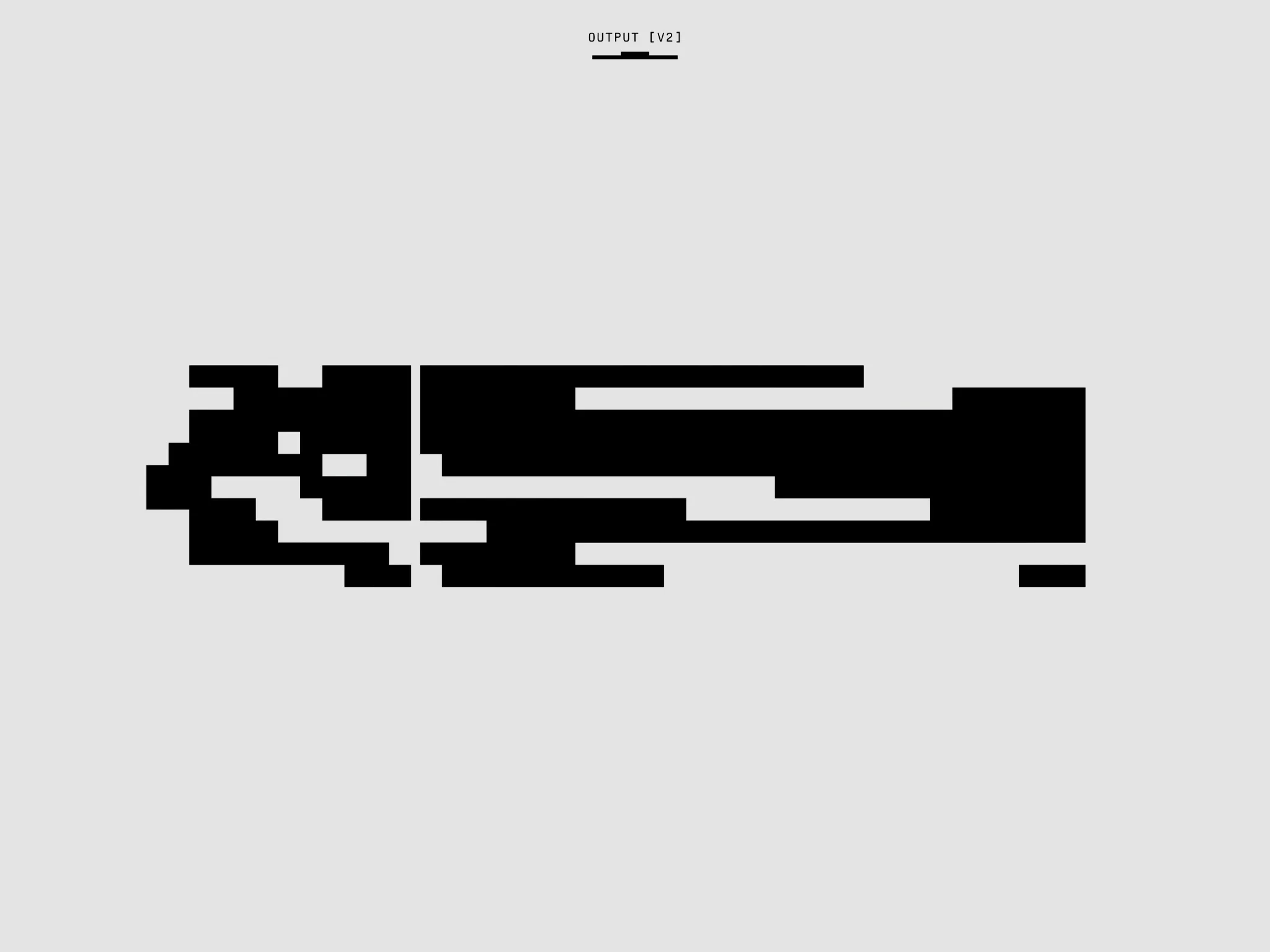
The result is a generative identity that behaves less like a fixed logo and more like a visual engine. Its modular structure can produce recognizable compositions across digital products, motion, communication, and physical applications. Modulor translates complex relationships into a clear and adaptable language—giving the brand a precise visual signature while leaving space for continuous variation and growth.
Outcome
The result is a generative identity that behaves less like a fixed logo and more like a visual engine. Its modular structure can produce recognizable compositions across digital products, motion, communication, and physical applications. Modulor translates complex relationships into a clear and adaptable language—giving the brand a precise visual signature while leaving space for continuous variation and growth.
" transform="translate(0.5 1)" width="28px"/><path d="M 10 0 L 5 5 L 0 0.07" fill="transparent" height="5px" id="TfLBv2cjJ" stroke-dasharray="0" stroke-linecap="round" stroke-linejoin="round" stroke-width="1" stroke="rgb(220, 62, 66)" transform="translate(23.5 23.5)" width="10px"/></svg>)